1
Soft clay under embankment
Soft, compressible clay under new or widened embankment
Drain, preload or support on columns
Technology sheets 6

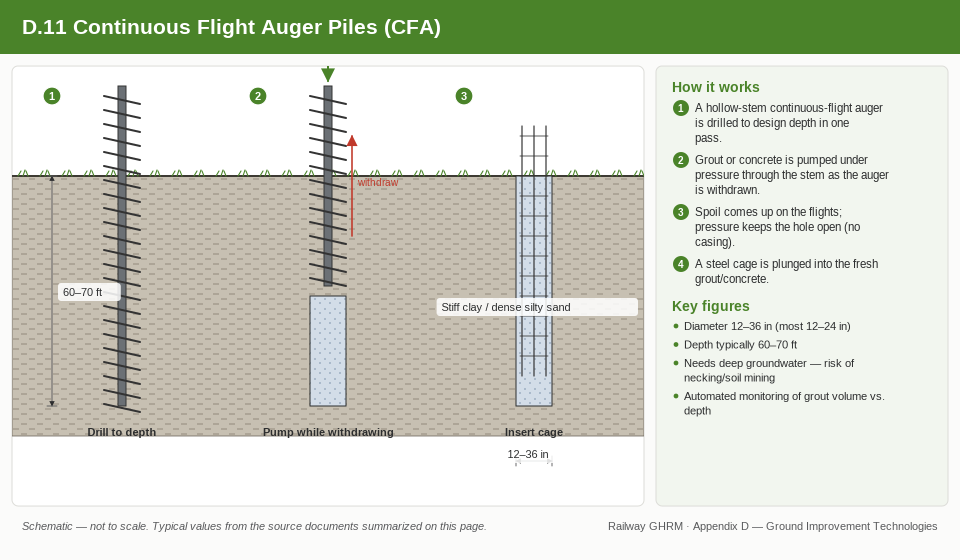
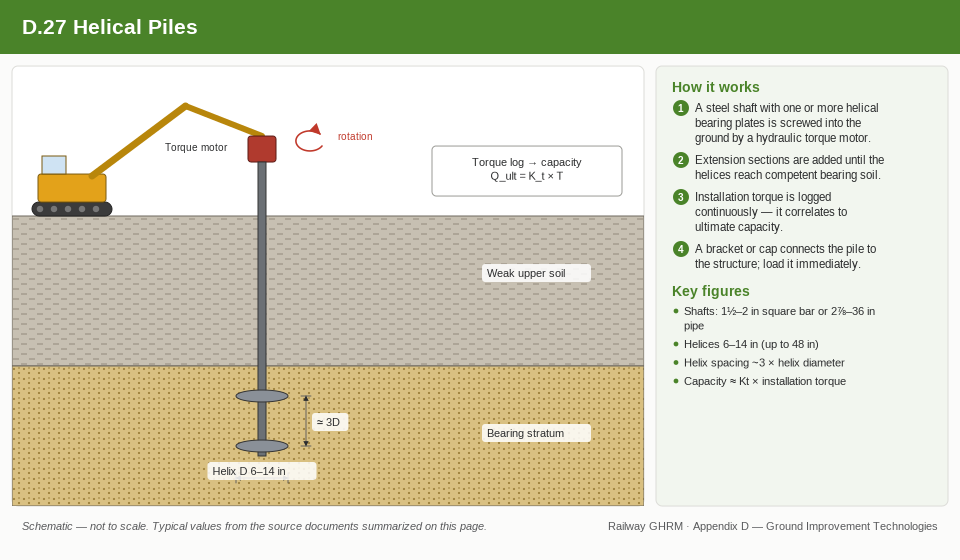
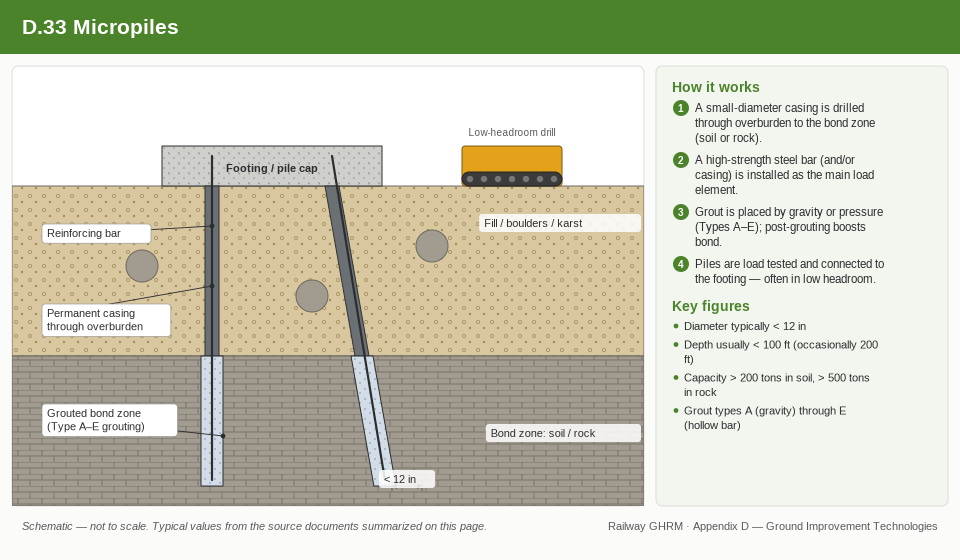
Sections 7.2.2 through 7.2.8 describe how each family of ground improvement works and how it is designed for railway loading. This library carries the supporting technology sheets: 45 techniques, numbered 7.2.16.1–7.2.16.45 in alphabetical order and grouped below by category. Each sheet opens with a how-it-works schematic and key figures, followed by its fact sheet, design guidance, QC/QA, specifications, cost information and case histories. Use the Previous / Next buttons at the bottom of each sheet to step through the library in order.
The sheets most relevant to each method are also linked at the end of Sections 7.2.2–7.2.8. Soil nailing, MSE walls and deep foundation sheets support Chapter 7.1 — Retaining Structures and Chapter 6.1 — Bearing Capacity.
Section 7.2.16 · Selection guide
Find the problem on the cross-section, read the section that explains the method, then open the technology sheets to compare options.
Soft, compressible clay under new or widened embankment
Loose sand or silty sand — settlement or liquefaction
Weak or pumping subgrade under track, yard or access road
Voids, sinkholes, abandoned mines or culvert backfill loss
Foundations near live track / limited headroom
Click a number on the cross-section to jump to its card. Some technologies, such as aggregate columns, jet grouting, and excavation and replacement, serve more than one problem. Technology sheets open on dirtbert.com.
Open the selection guide on its own page (for printing) →
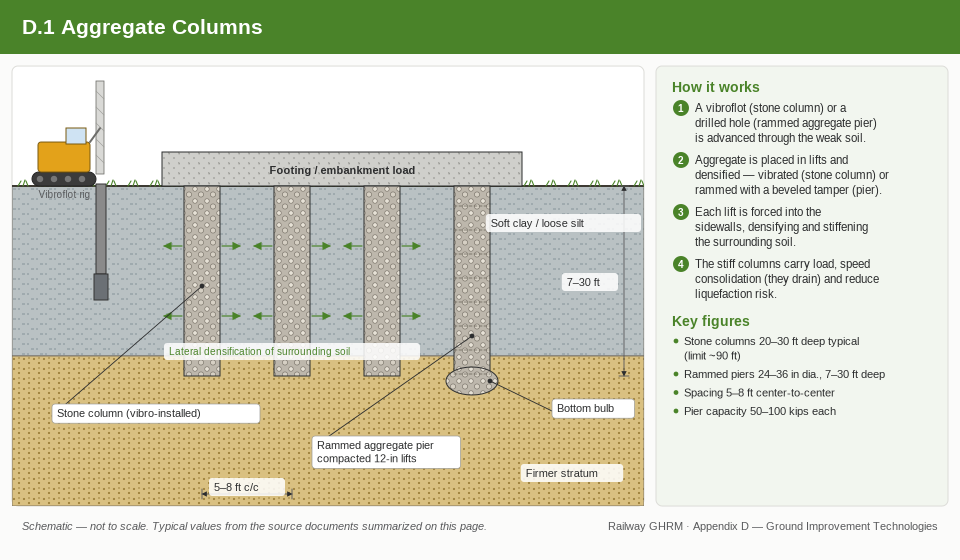 7.2.16.1Aggregate Columns
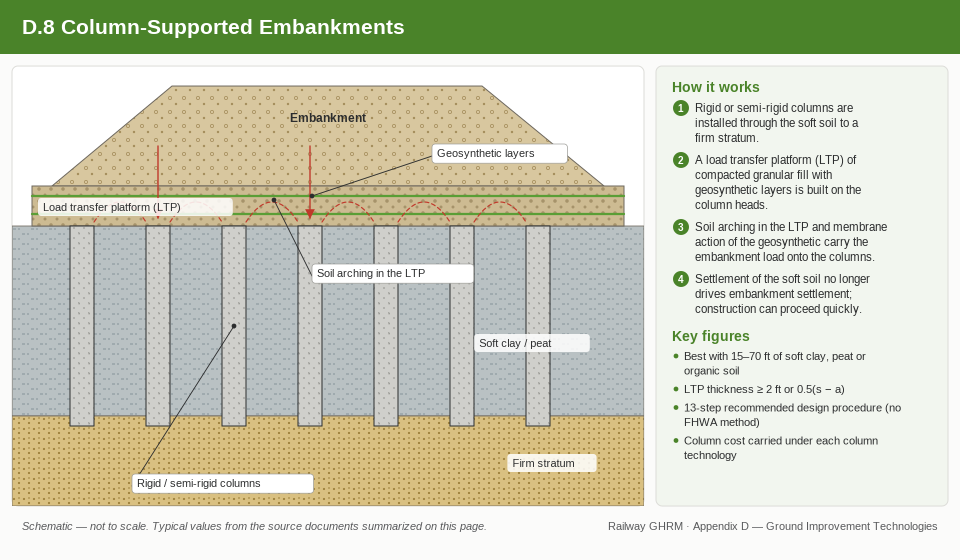 7.2.16.8Column-Supported Embankments
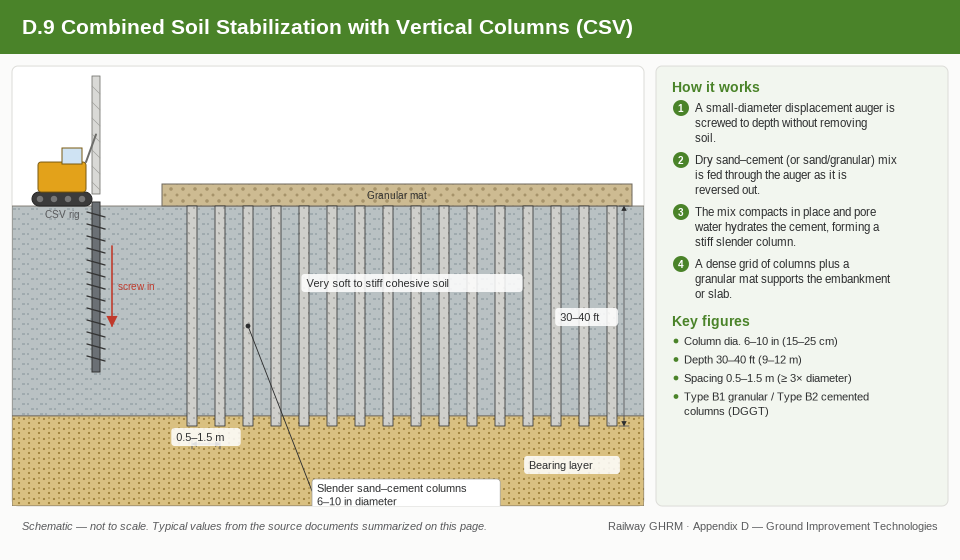 7.2.16.9Combined Soil Stabilization with Vertical Columns
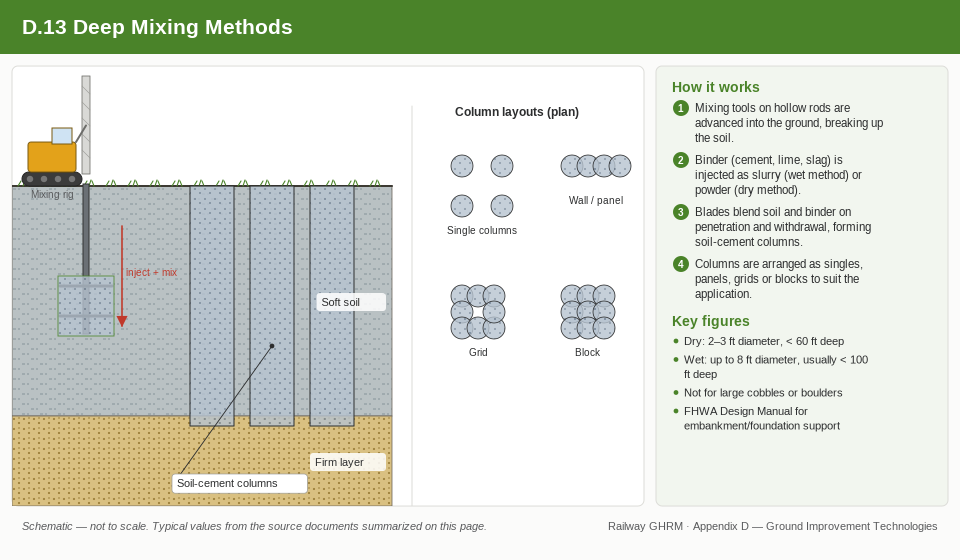 7.2.16.13Deep Mixing Methods
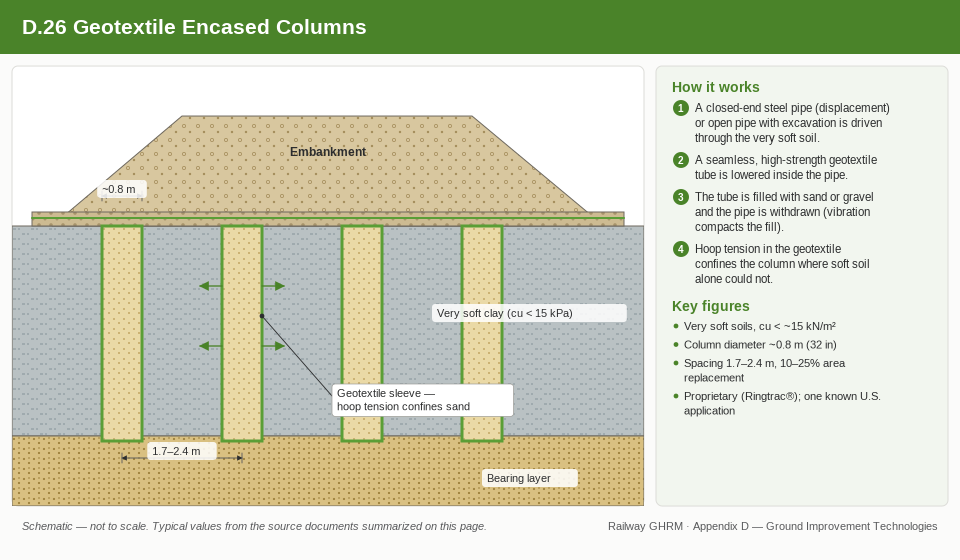 7.2.16.26Geotextile Encased Columns
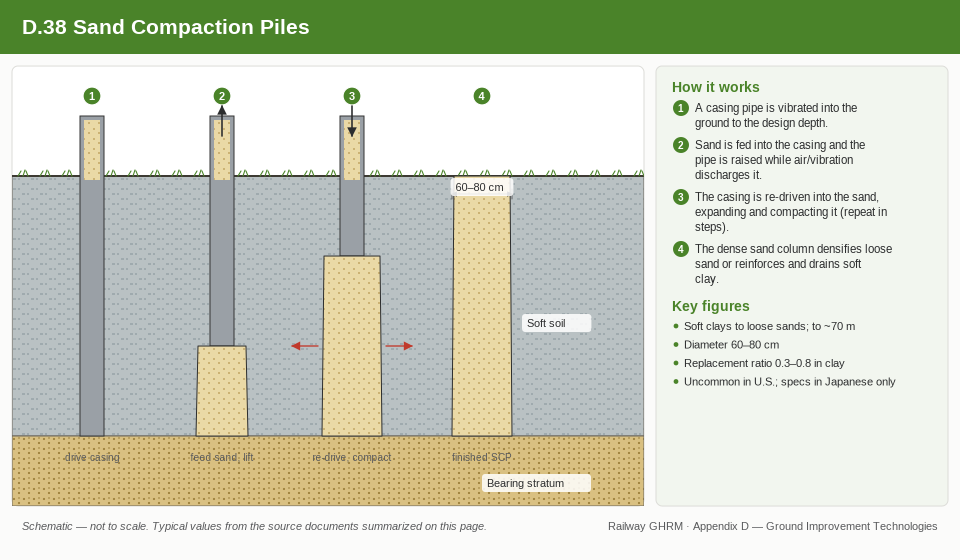 7.2.16.38Sand Compaction Piles
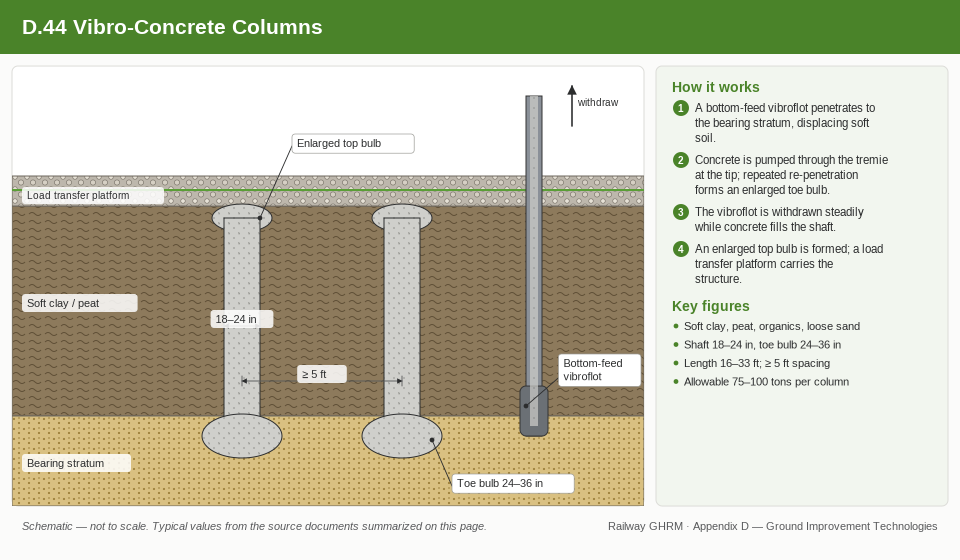 7.2.16.44Vibro-Concrete Columns
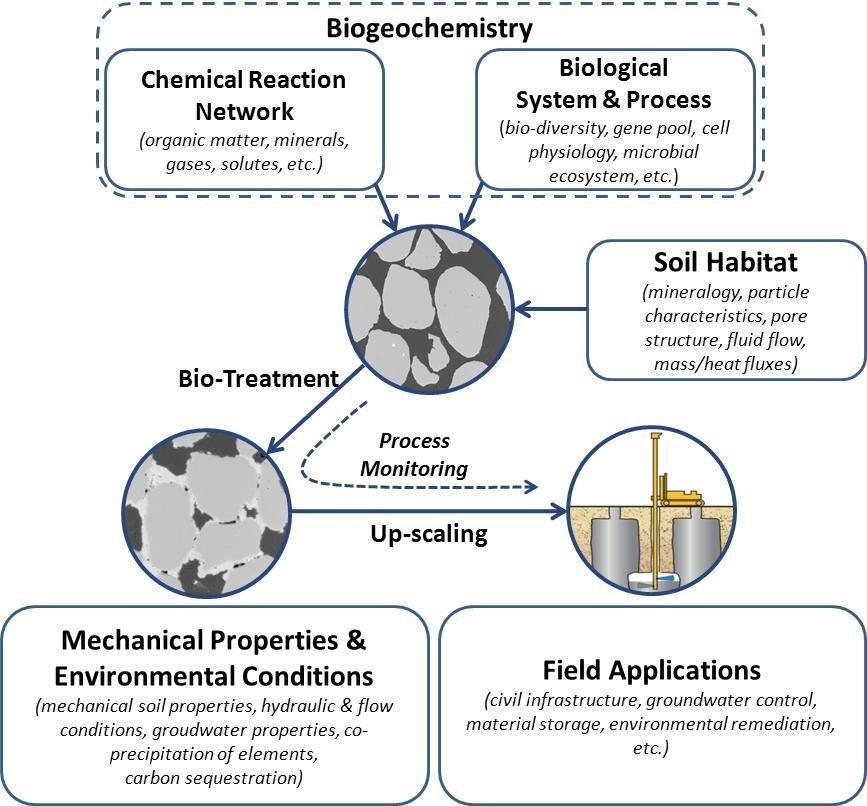
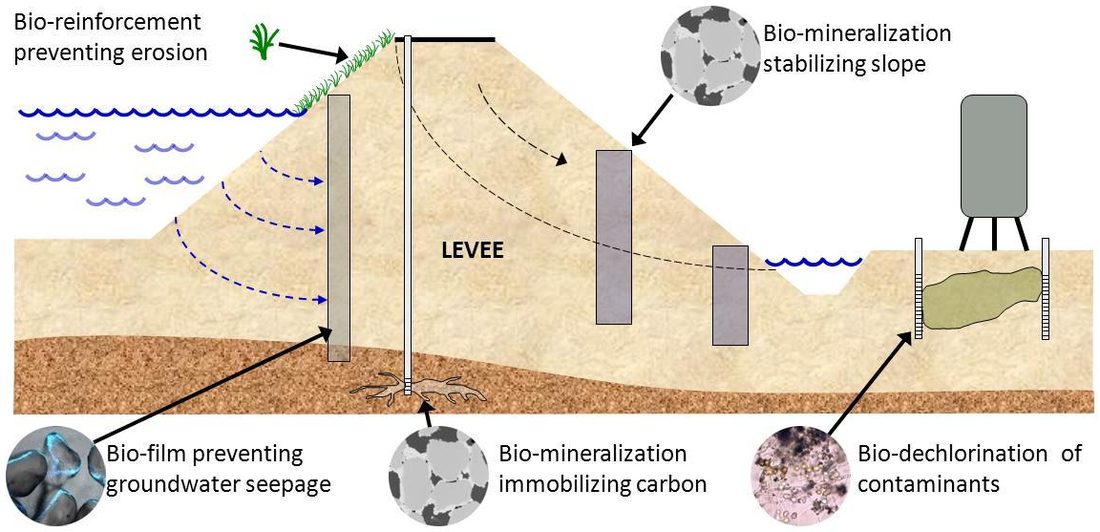
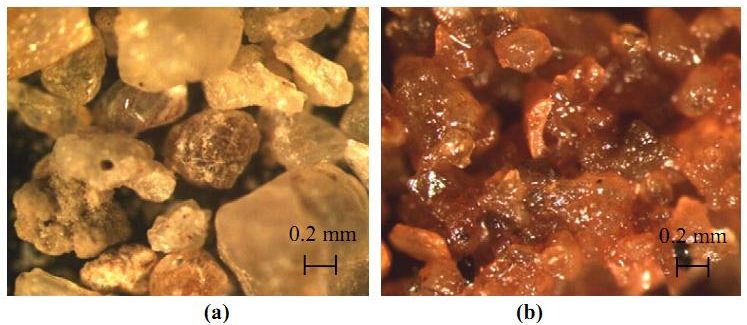
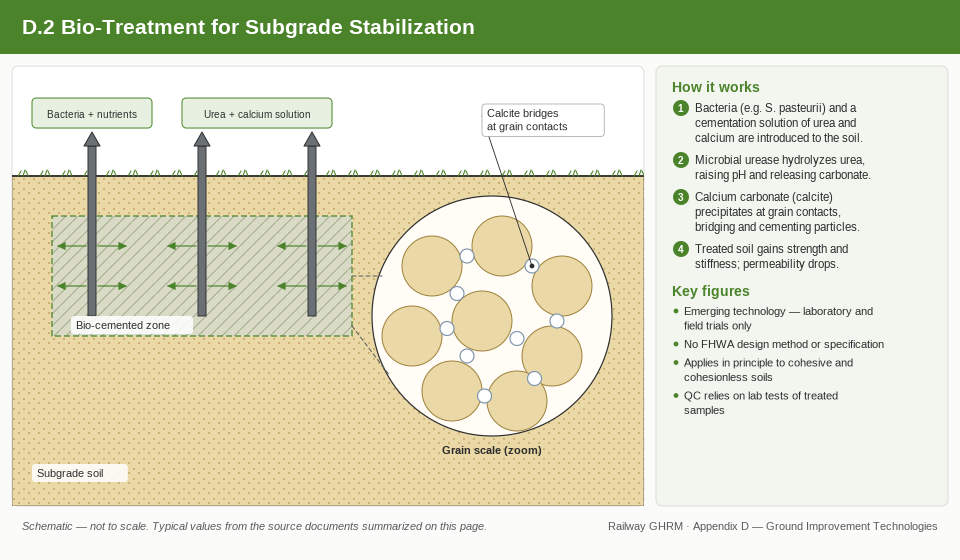 7.2.16.2Bio-Treatment for Subgrade Stabilization
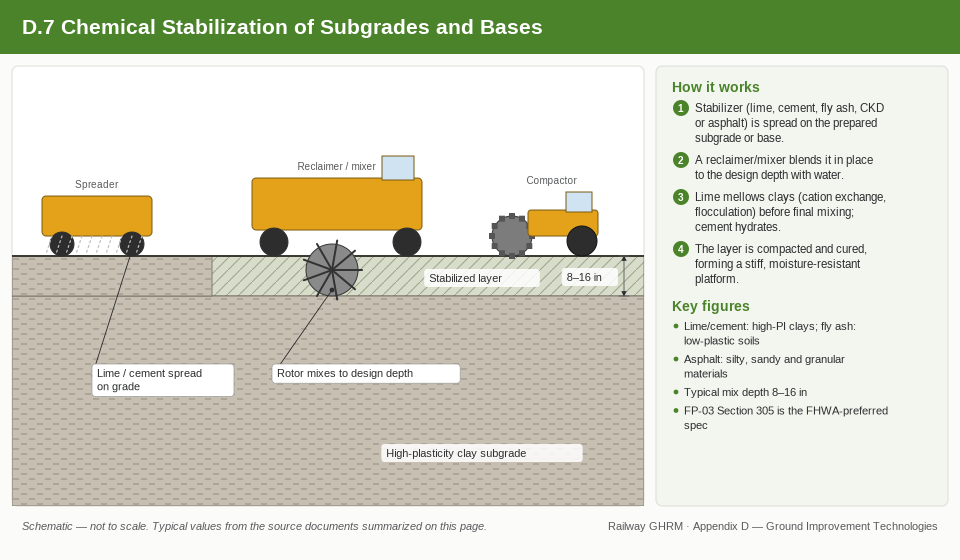 7.2.16.7Chemical Stabilization of Subgrades and Bases
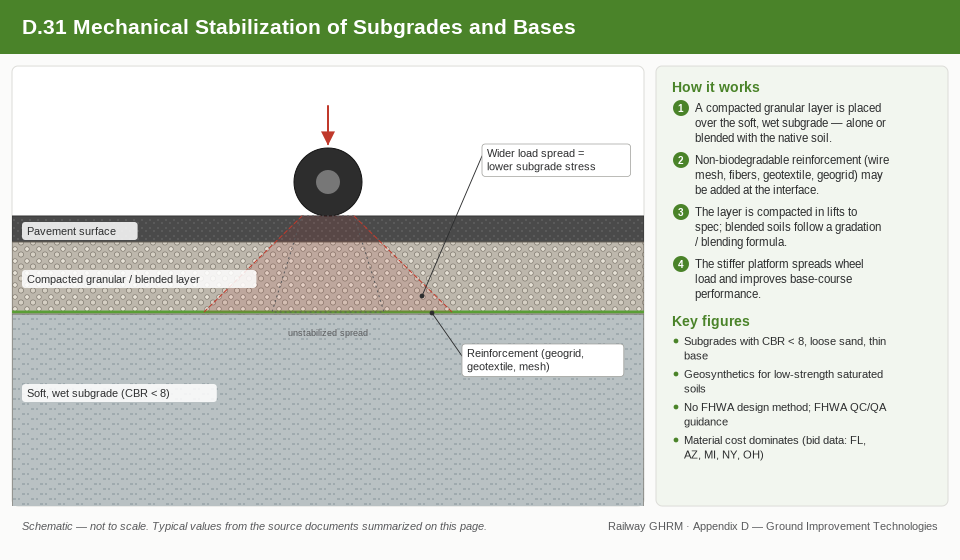 7.2.16.31Mechanical Stabilization of Subgrades and Bases
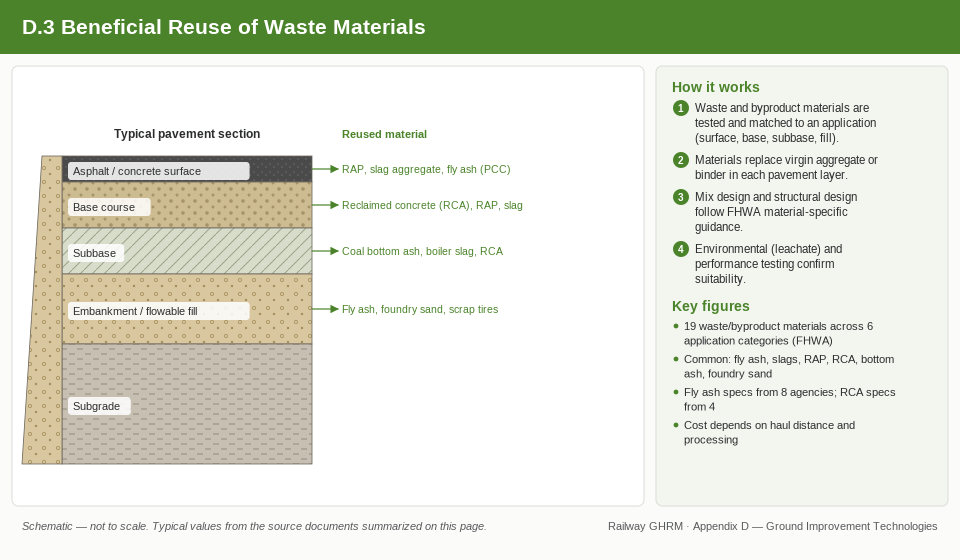 7.2.16.3Beneficial Reuse of Waste Materials
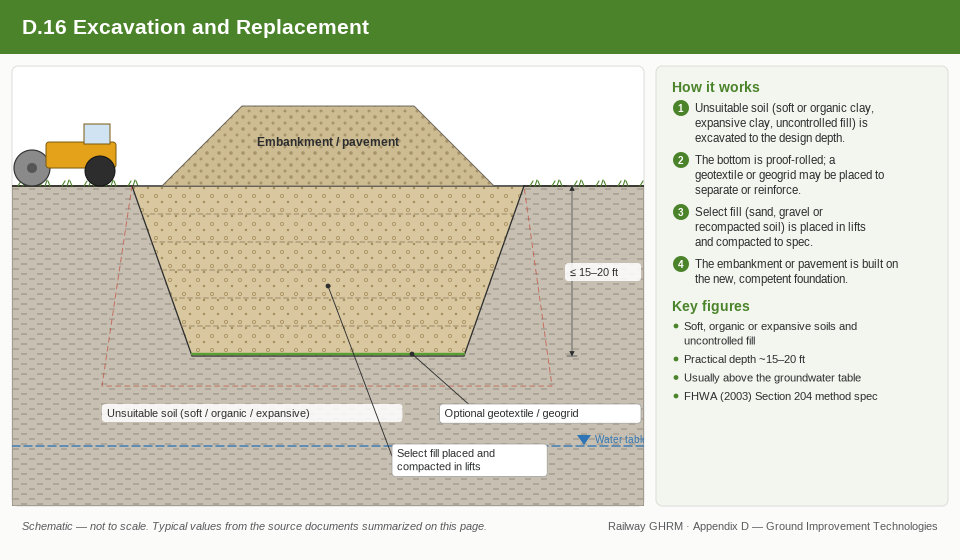 7.2.16.16Excavation and Replacement
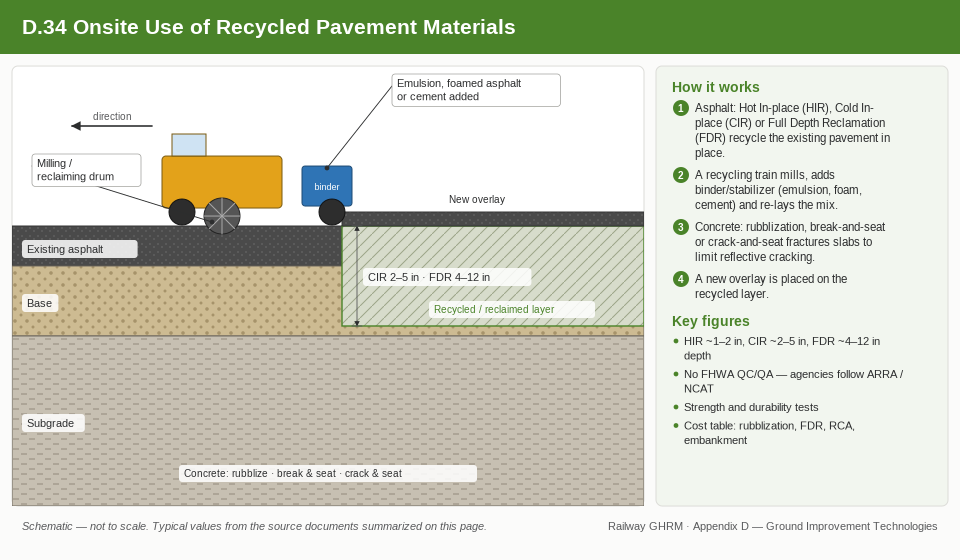 7.2.16.34Onsite Use of Recycled Pavement Materials
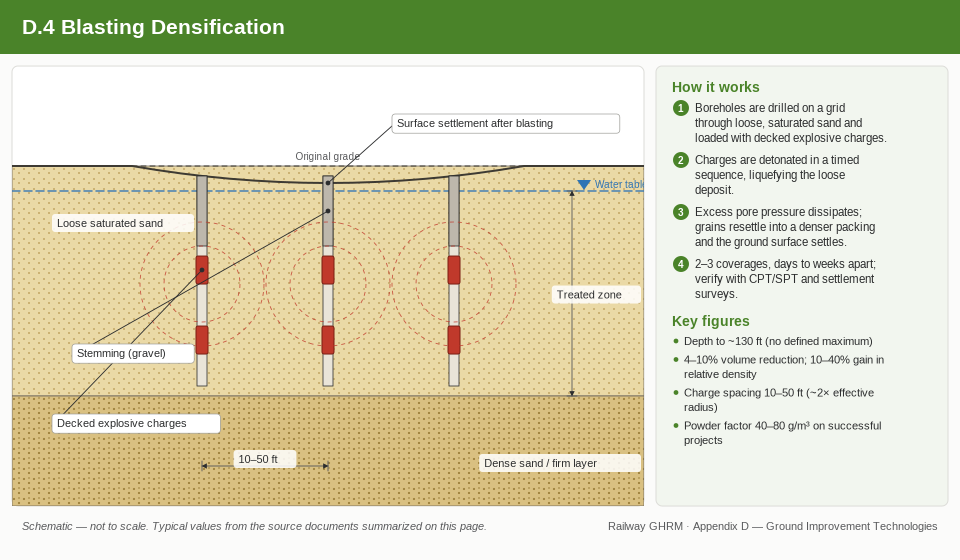 7.2.16.4Blasting Densification
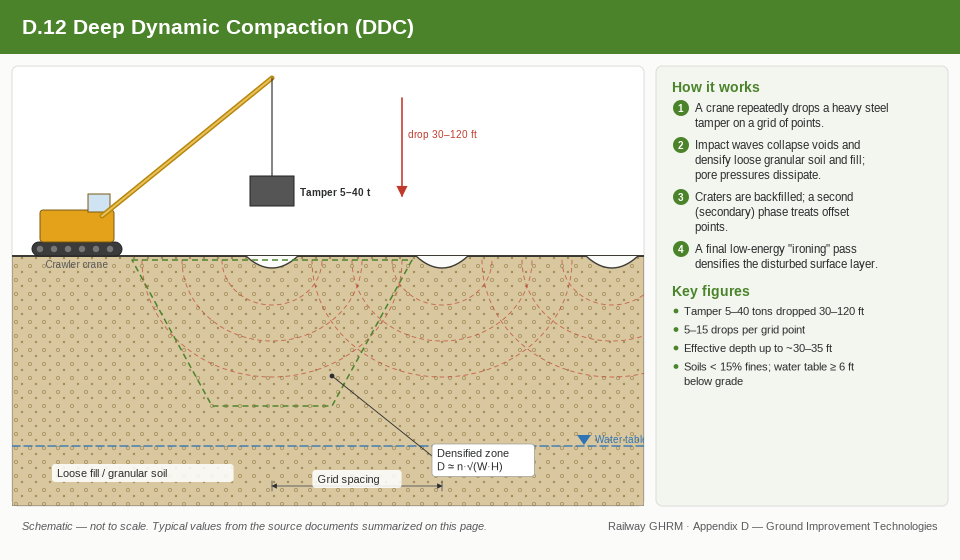 7.2.16.12Deep Dynamic Compaction
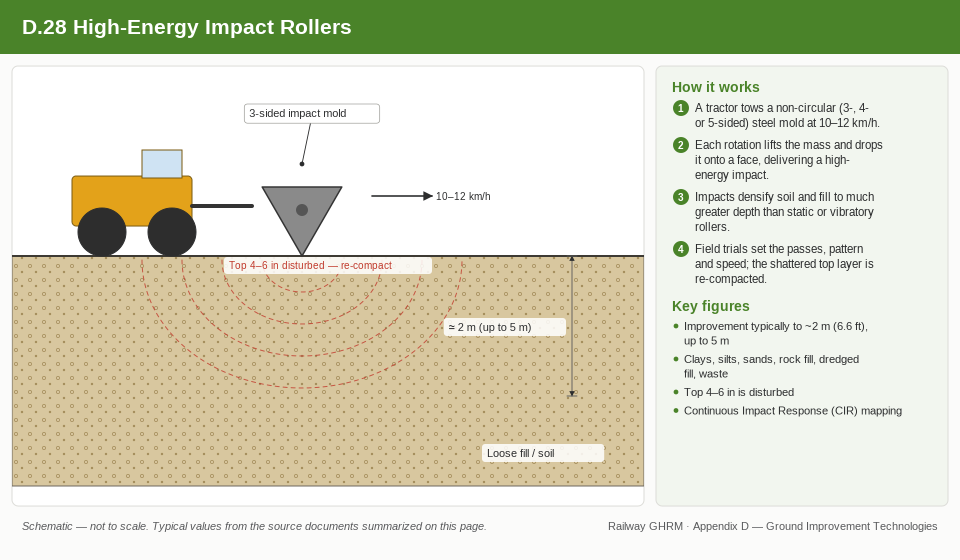 7.2.16.28High-Energy Impact Rollers
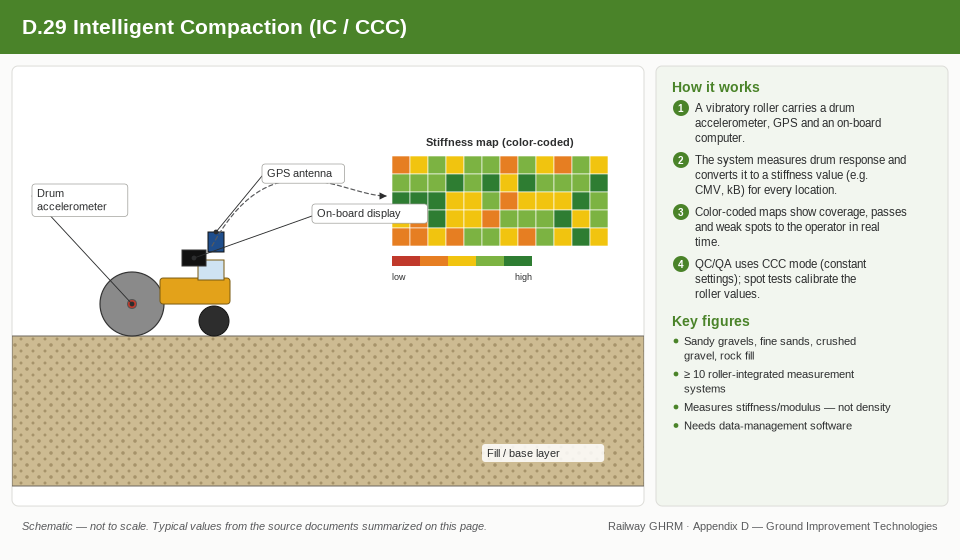 7.2.16.29Intelligent Compaction
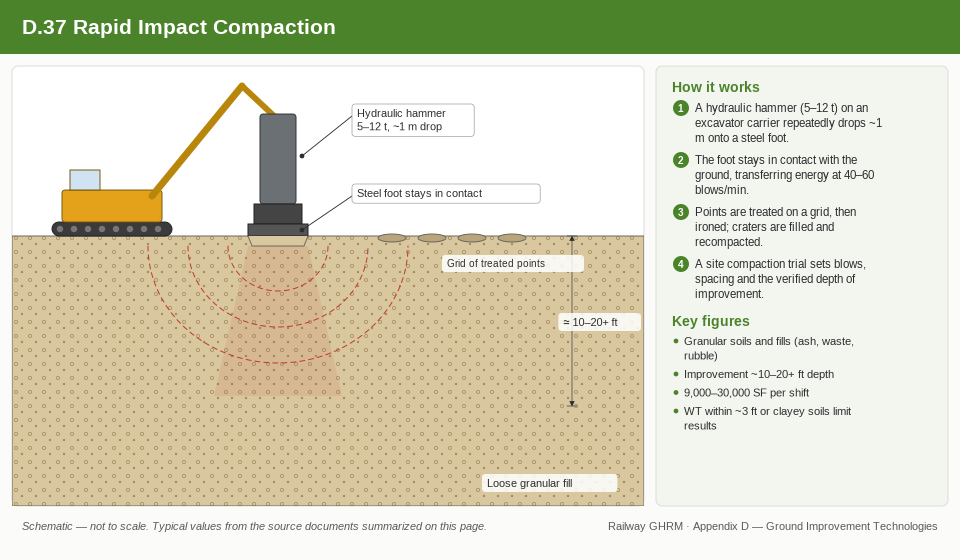 7.2.16.37Rapid Impact Compaction
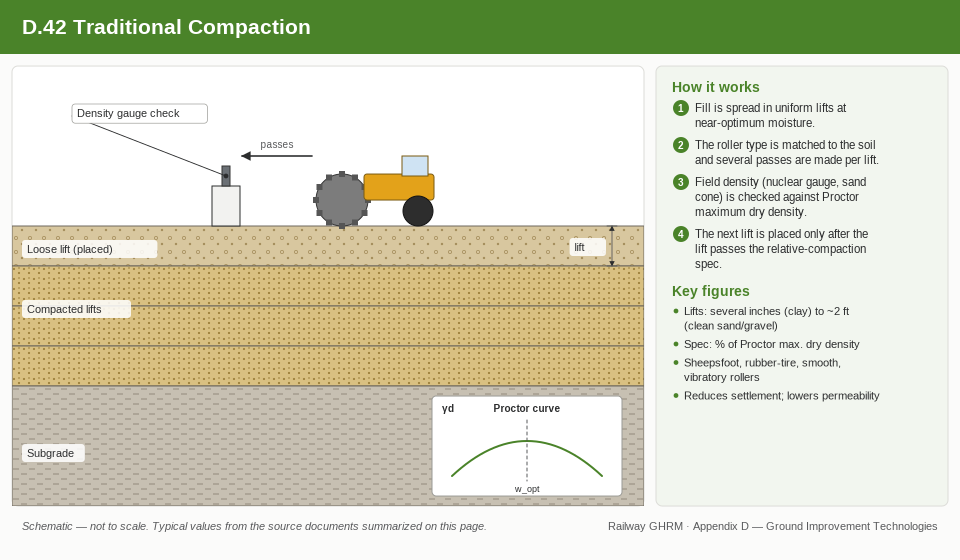 7.2.16.42Traditional Compaction
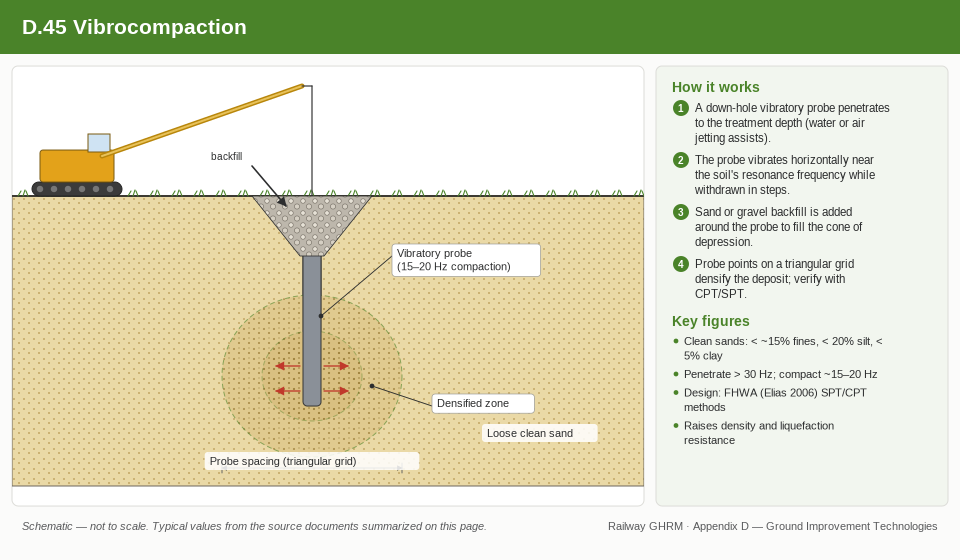 7.2.16.45Vibrocompaction
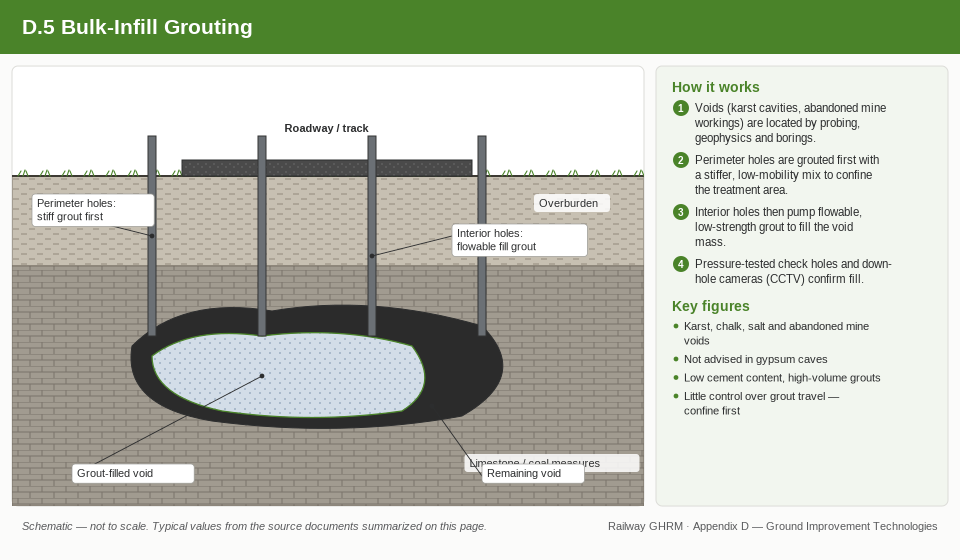 7.2.16.5Bulk-Infill Grouting
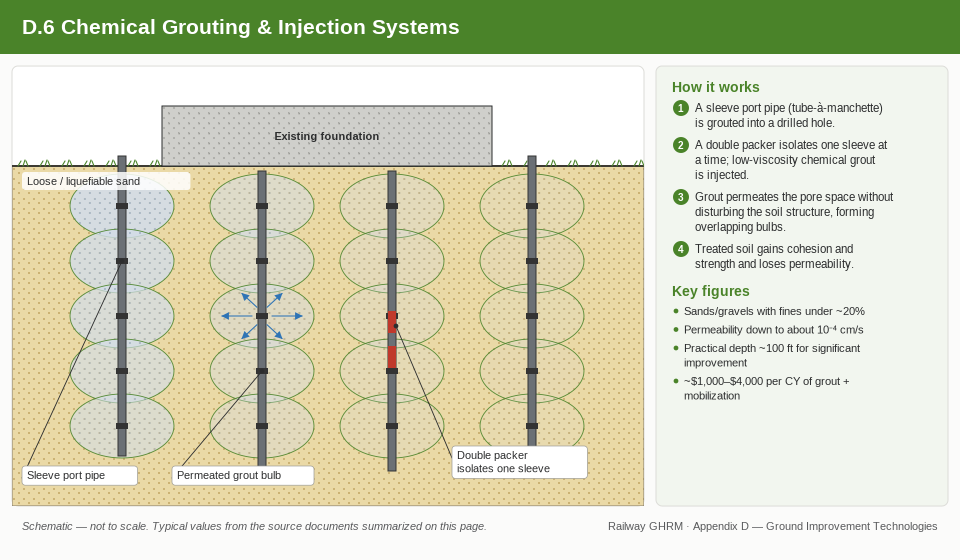 7.2.16.6Chemical Grouting & Injection Systems
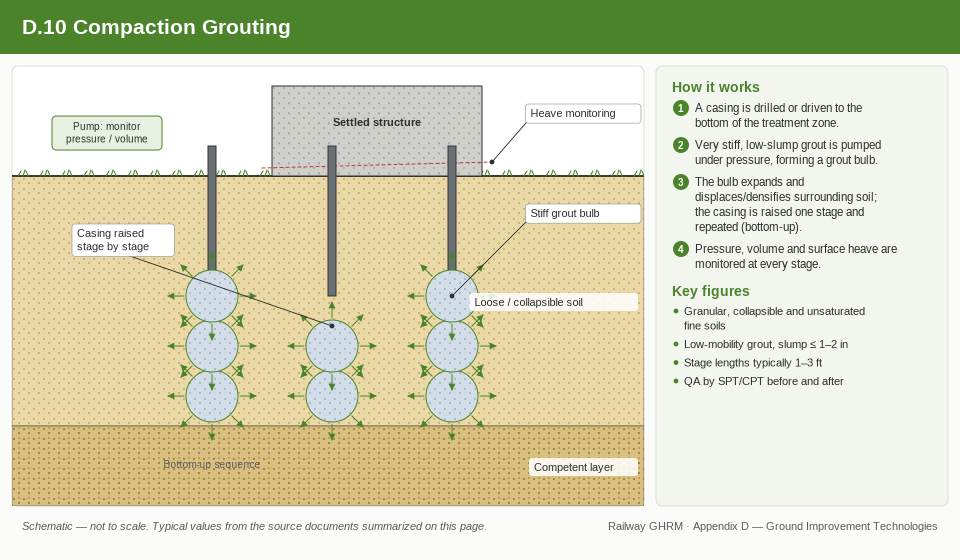 7.2.16.10Compaction Grouting
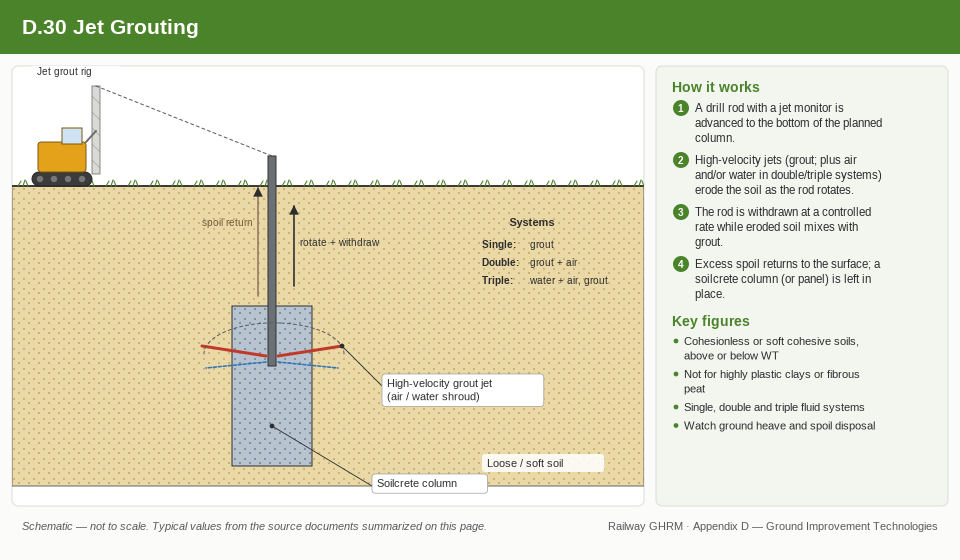 7.2.16.30Jet Grouting
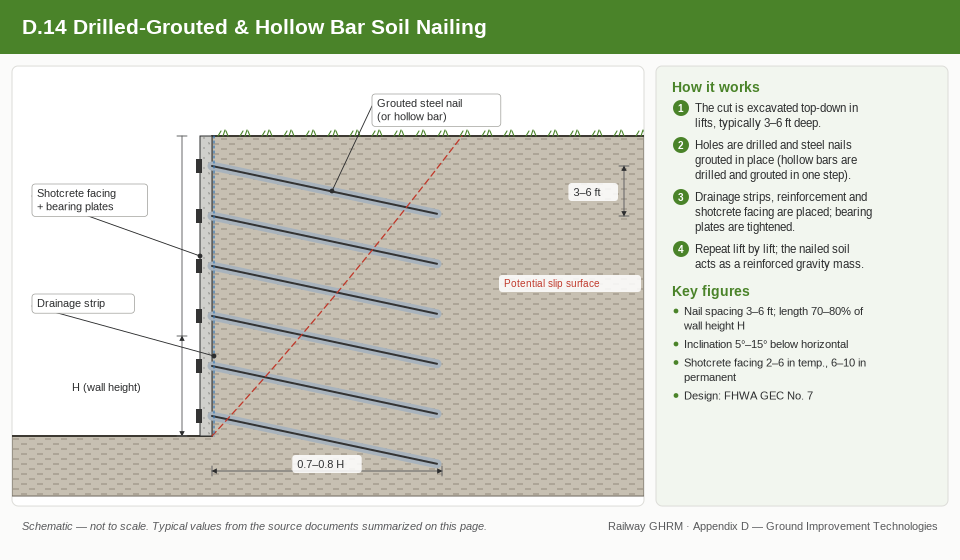 7.2.16.14Drilled-Grouted and Hollow Bar Soil Nailing
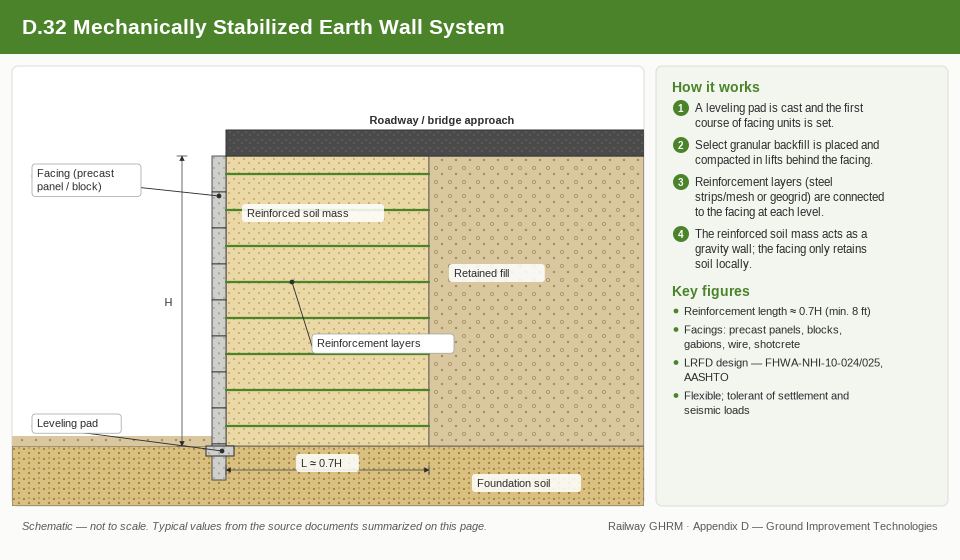 7.2.16.32Mechanically Stabilized Earth Wall System
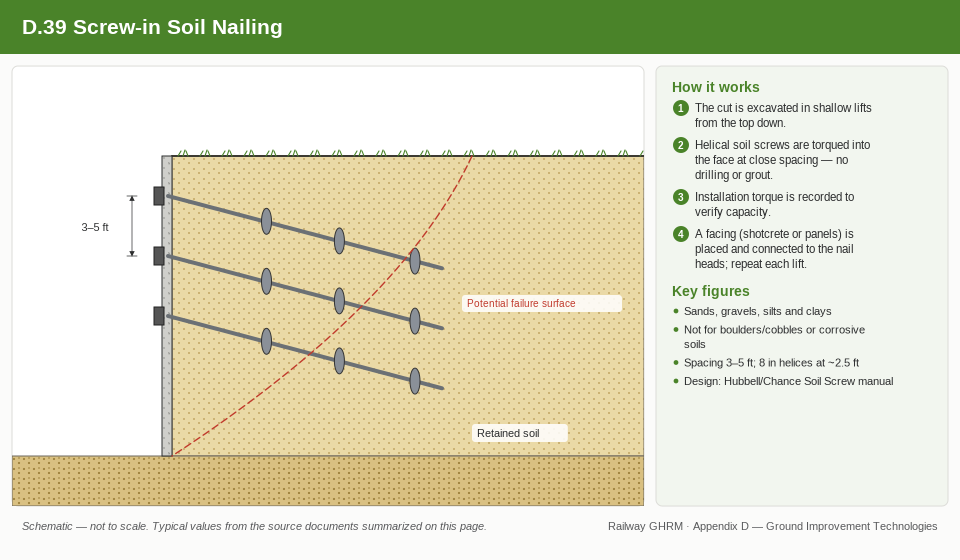 7.2.16.39Screw-in Soil Nailing
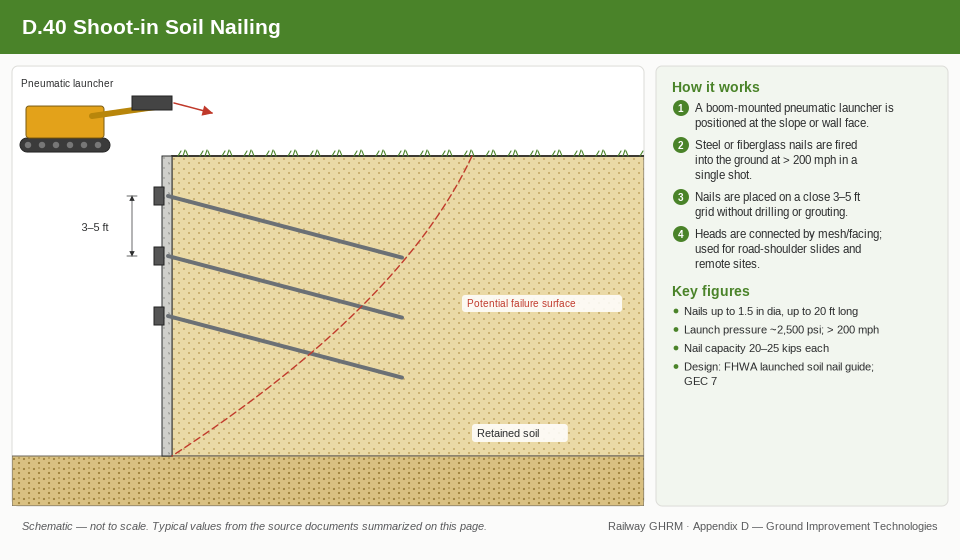 7.2.16.40Shoot-in Soil Nailing
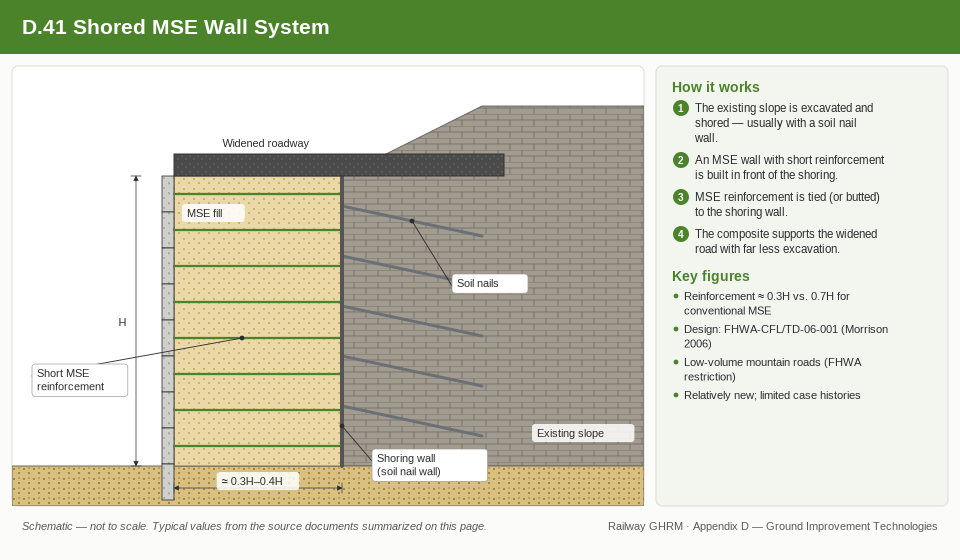 7.2.16.41Shored Mechanically Stabilized Earth Wall System
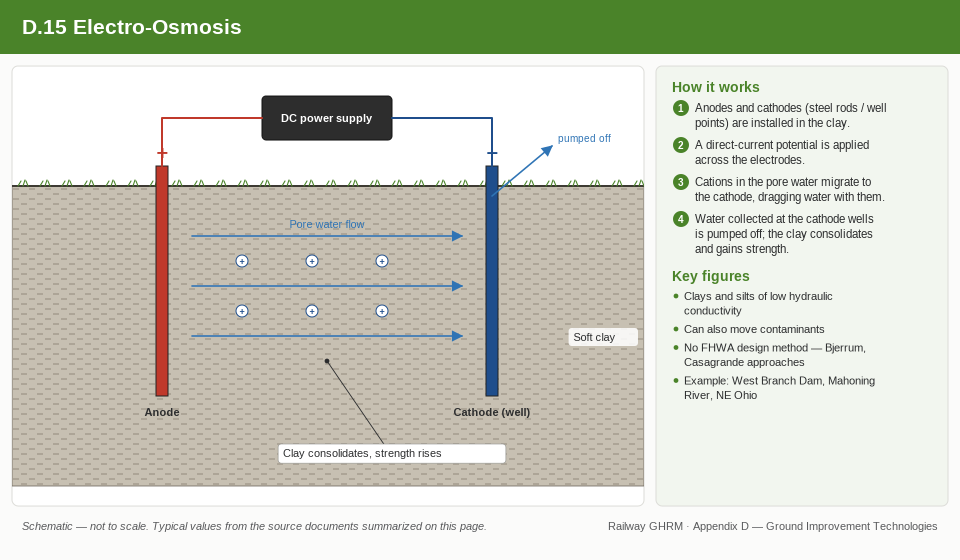 7.2.16.15Electro-Osmosis
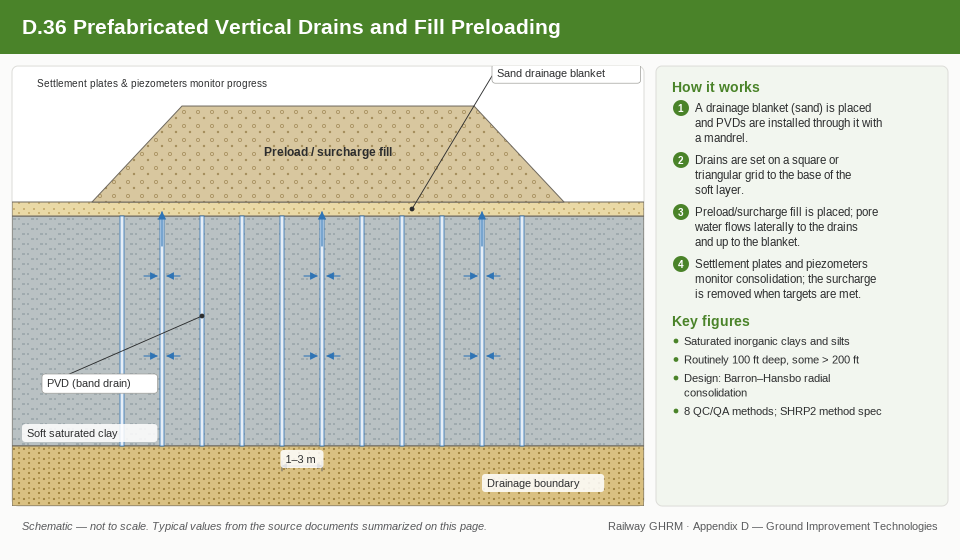 7.2.16.36Prefabricated Vertical Drains and Fill Preloading
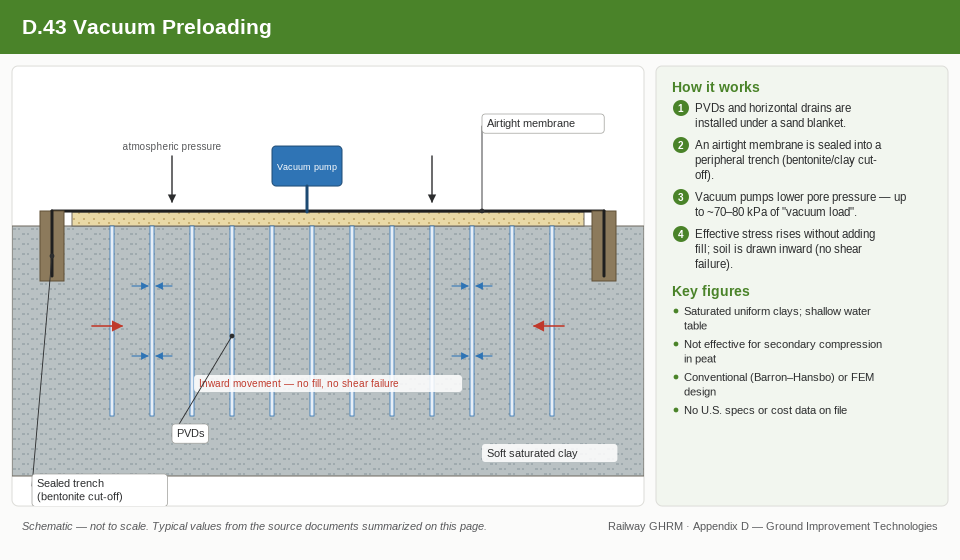 7.2.16.43Vacuum Preloading with and without Prefabricated Vertical Drains
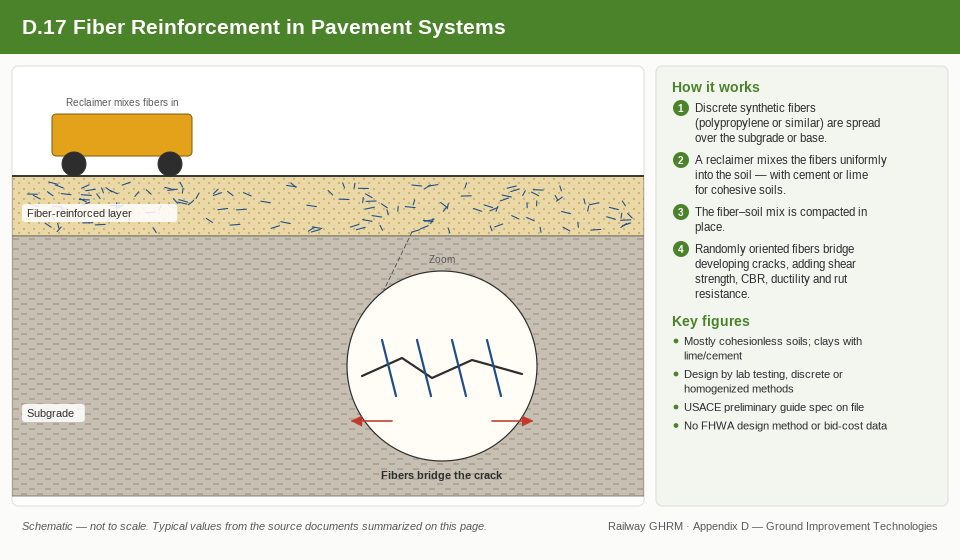 7.2.16.17Fiber Reinforcement in Pavement Systems
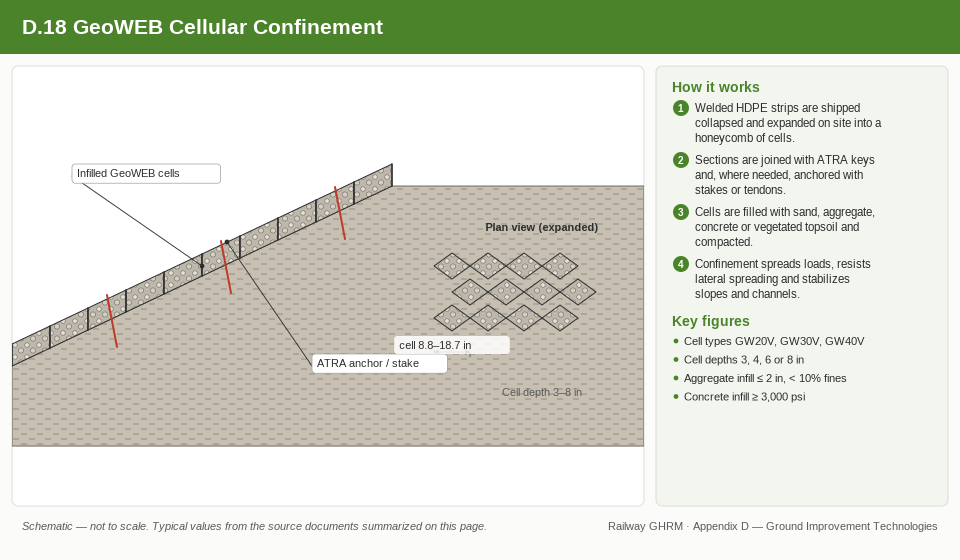 7.2.16.18GeoWEB
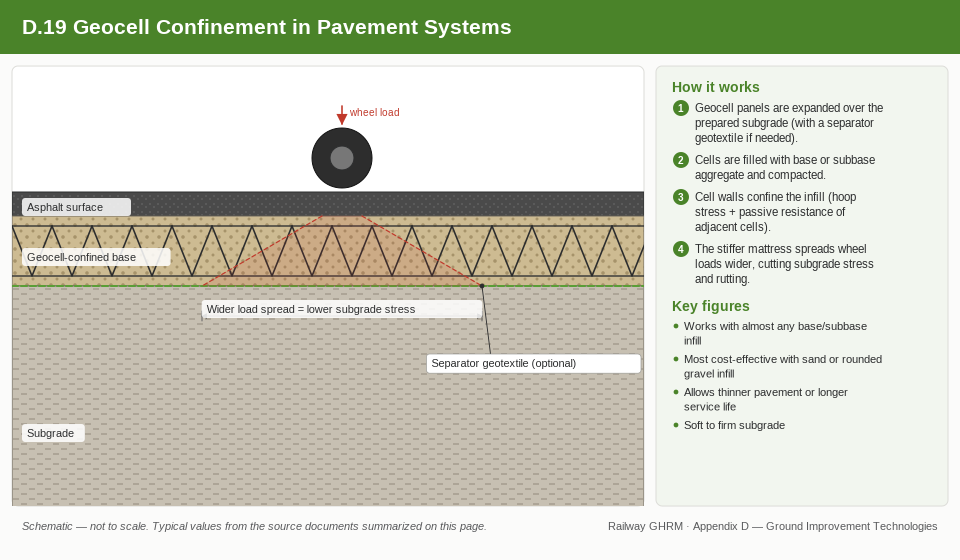 7.2.16.19Geocell Confinement in Pavement Systems
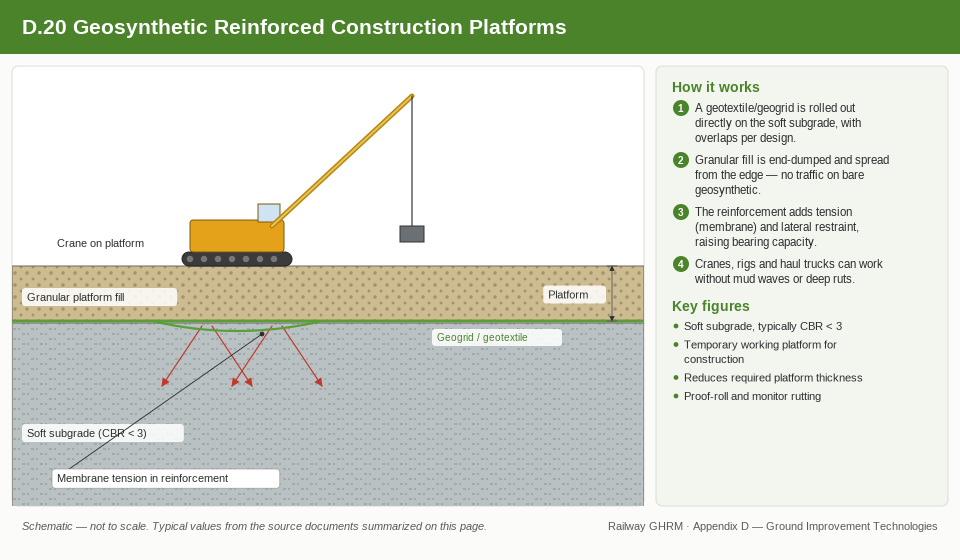 7.2.16.20Geosynthetic Reinforced Construction Platforms
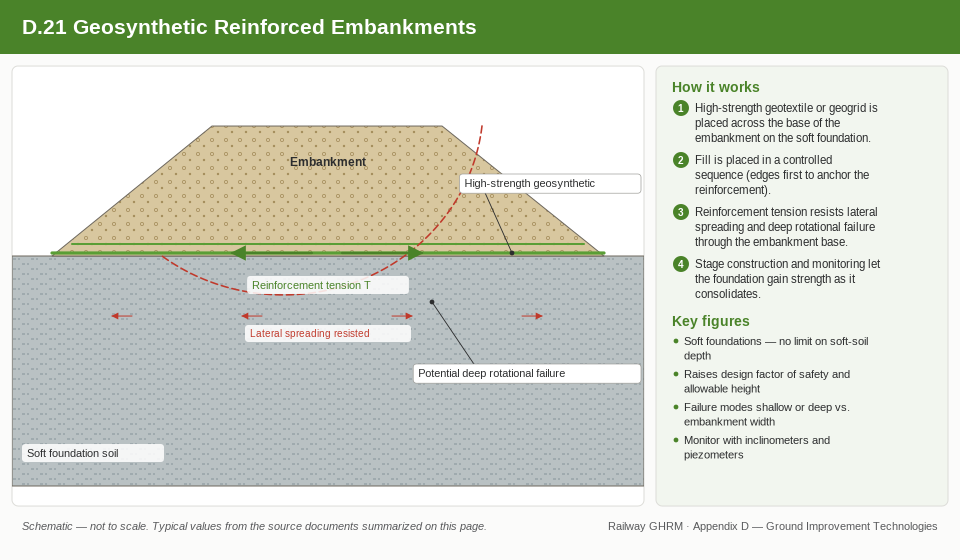 7.2.16.21Geosynthetic Reinforced Embankments
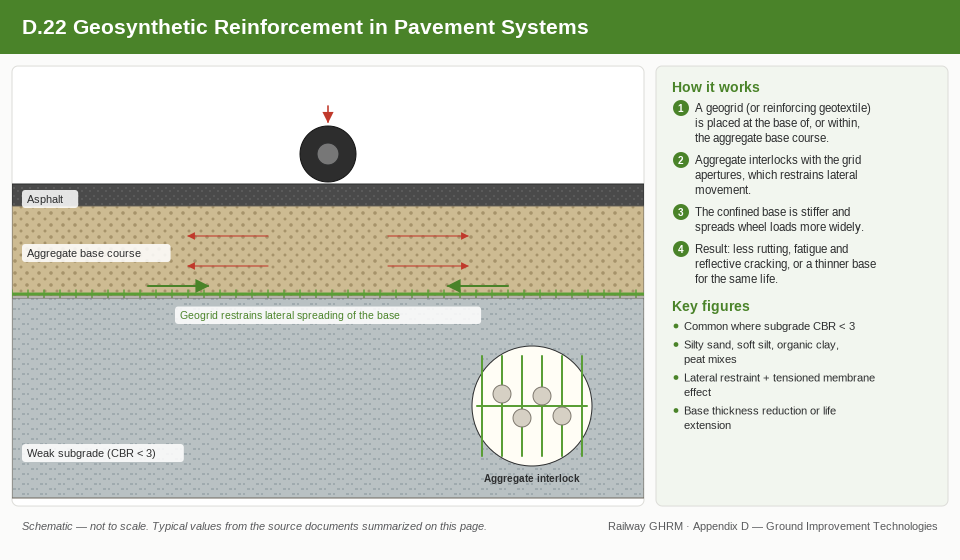 7.2.16.22Geosynthetic Reinforcement in Pavement Systems
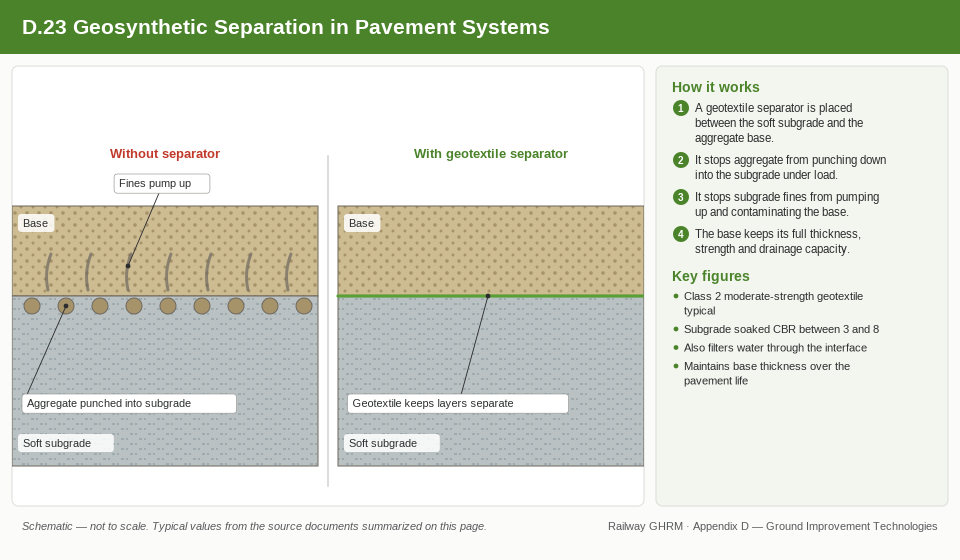 7.2.16.23Geosynthetic Separation in Pavement Systems
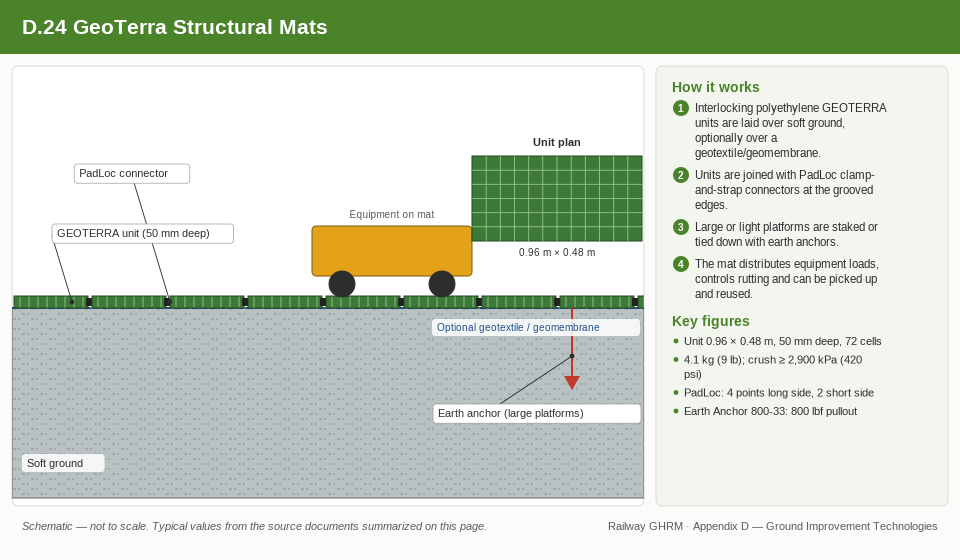 7.2.16.24Geosynthetics - GeoTerra
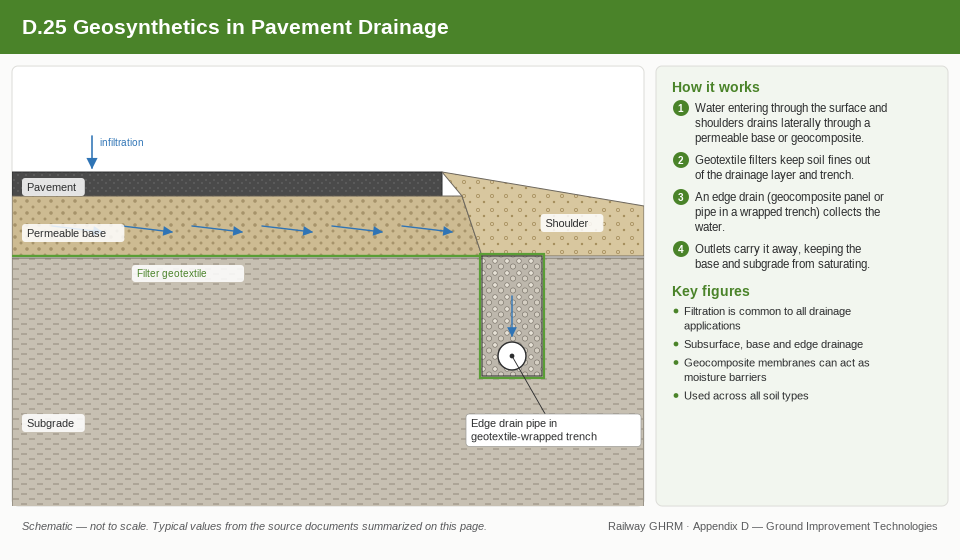 7.2.16.25Geosynthetics in Pavement Drainage
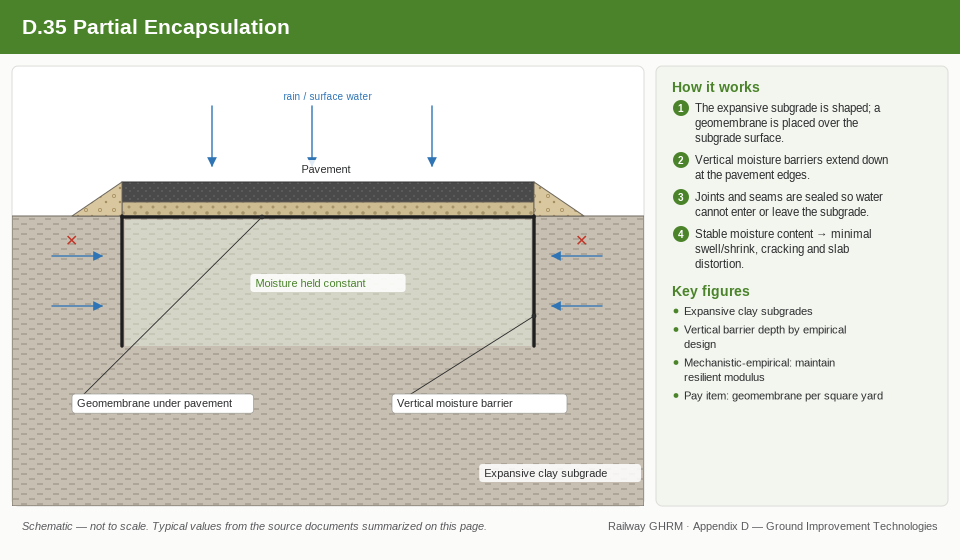 7.2.16.35Partial Encapsulation
Technology sheets compiled from FHWA, SHRP2 GeoTechTools and manufacturer literature; each sheet lists its own sources.