
Geotechnical engineering libraryContact
| Railroad | Primary Seismic Regions | Liquefaction Screening Trigger | Ground Motion Source | Site-Specific Required? | Notes |
|---|---|---|---|---|---|
| AREMA | Varies | PGA ≥ 0.10g | AASHTO site-specific | Ch. 2.9 guidance | Design basis for Class I adoption |
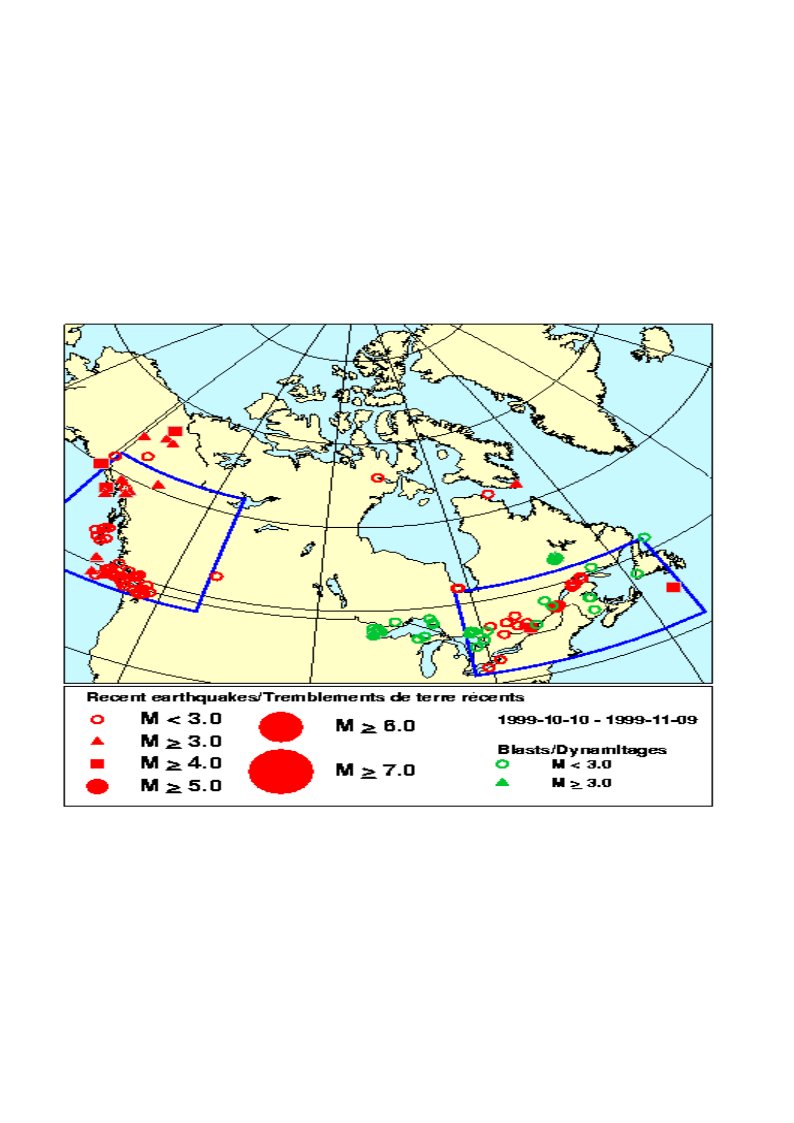
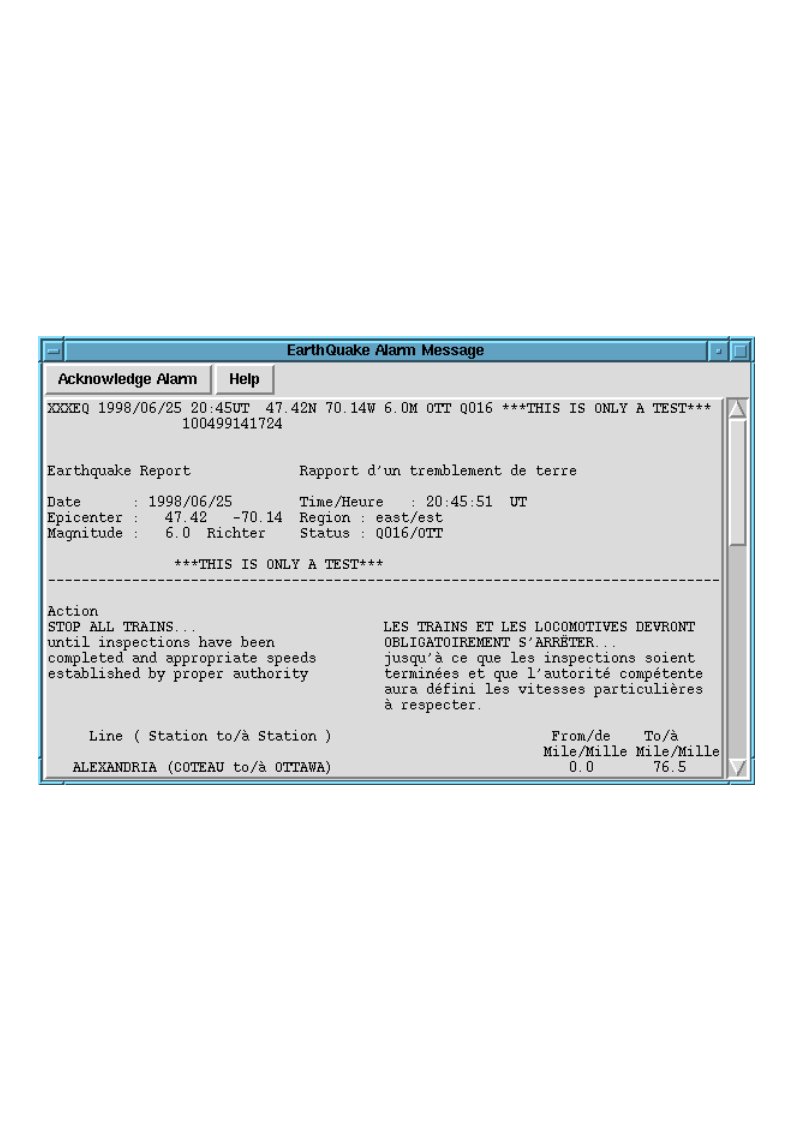
An automated notification system replaced slow verbal confirmation that once took up to four hours. Events above magnitude 5.0 appear on the rail traffic control terminal with location, size and the required action. Dispatch must acknowledge and print, notify affected movements to stop or run at restricted speed, and await field inspection before restoring normal operations. Criteria differ east and west of 116° longitude because energy carries farther through eastern shield rock.
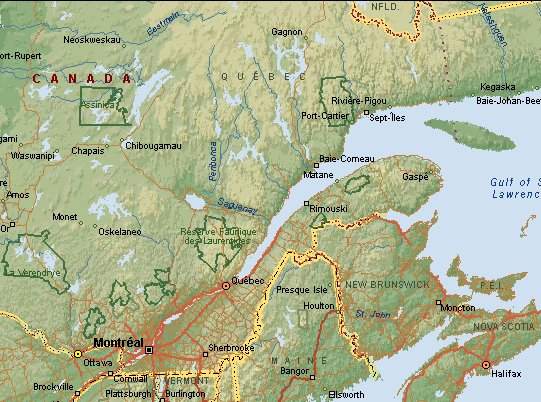
| Zone | Magnitude | Required action |
|---|---|---|
| East of 116° | 5.0–5.9 | Stop within 50 mi of the epicenter; restricted speed from 50 to 200 mi |
| East of 116° | ≥ 6.0 | Stop within 400 mi |
| West of 116° | 5.0–5.9 | Restricted speed within 50 mi |
| West of 116° | 6.0–6.5 | Stop within 100 mi |
| West of 116° | > 6.5 | Stop within 200 mi |
Restrictions remain until inspections are complete and appropriate speeds are set.
After Geotechnology for Railroaders Program, Module 7.3; §02–04. Full reference under Supplemental References.