
Geotechnical engineering libraryContact
These requirements vary by owner railroad. Confirm them against the owner railroad's current standards when the work is scoped, and record the edition used.
All boring logs must be delivered in both signed-and-sealed PDF and the native project file format (gINT project file, Log*Plot project file). Electronic data files allow the railroad's engineering team and future consultants to access and extend the boring database without re-entering data — a significant long-term value that distinguishes a professional deliverable from a mere PDF.
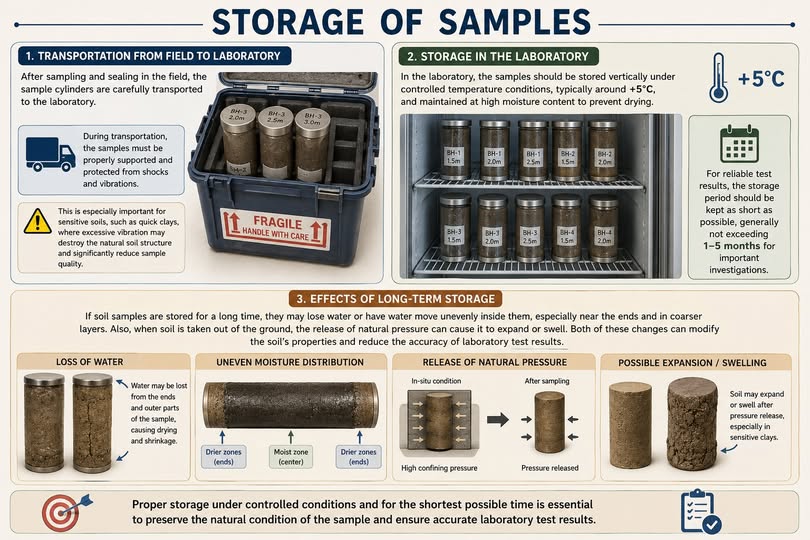
Physical sample and core retention requirements vary by client. The following represents minimum standards; client-specific requirements in the task order govern when they differ from these minimums:
These requirements vary by owner railroad. Confirm them against the owner railroad's current standards when the work is scoped, and record the edition used.
Core photography requirement: All rock core must be photographed in boxes before disposal, regardless of retention period. Core photographs, stored as high-resolution JPEG files with metadata tags identifying project, boring number, box number, and depth range, must be delivered to the railroad client at project closeout and retained in our project archive indefinitely.