
Geotechnical engineering libraryContact
Kelly, Male and Graham hold that options generated in a value study should be compared on whole-life cost. Whole-life cost is the present value of all relevant costs over the investor’s time horizon. Relevant costs include investment (design, construction, fees), operation and maintenance, unplanned repair, planned component replacement, and residual or terminal values at the end of the horizon. Some costs are excluded: trivial amounts, sunk costs already spent, and costs that are the same for every option. Future amounts are discounted with
P = A / (1 + i)n
where A is the future cost, i the discount rate per period and n the number of periods. Inflation is handled with a real rate, i = (1 + bank rate)/(1 + inflation) − 1. In their example, a component costing £6,000 today that will fail in 10 years has a present value of £4,053 at 4 percent with no inflation. With 2 percent inflation the real rate is 1.96 percent and the present value is about £4,941, because the replacement will by then cost about £7,314.
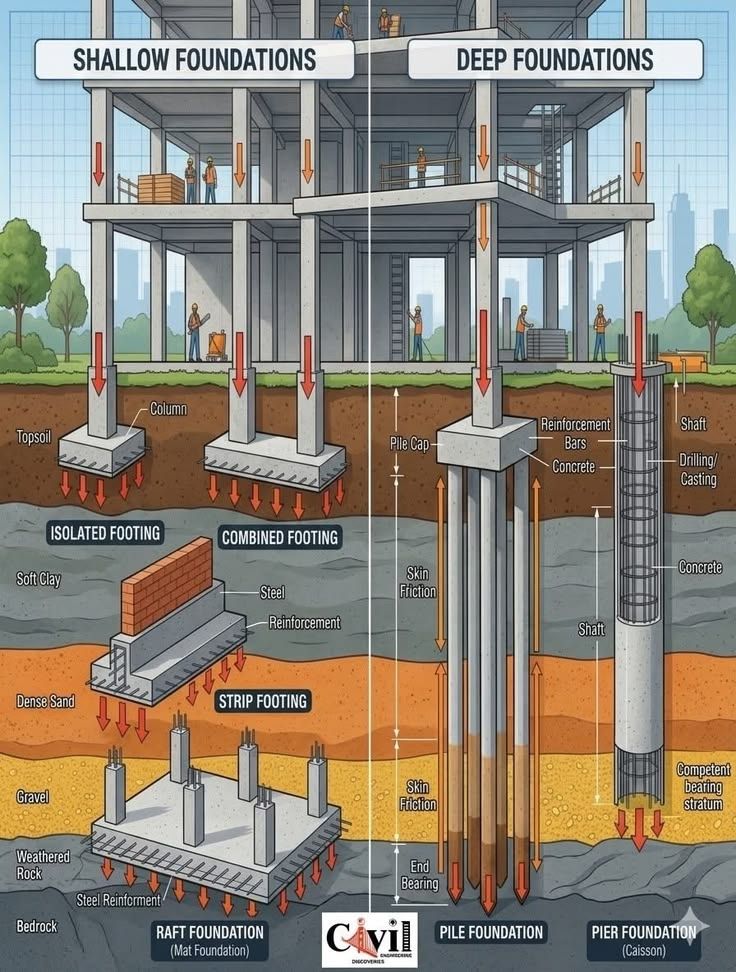
For railroad work: Track foundation remedies often trade first cost against recurring maintenance. Examples are lining a deteriorated culvert versus replacing it, flattening a cut slope versus installing rockfall mesh and patrols, and full subgrade rebuild versus periodic undercutting and surfacing. List each alternative’s recurring items over the railroad’s planning horizon: surfacing cycles, ditch cleaning, drain flushing, mesh inspection and repair, slow-order delay costs where the client supplies them, and expected replacement dates. Discount them using the rate the railroad’s finance group specifies, and present the present-value totals with a sensitivity check on rate and cycle length. Exclude money already spent on earlier repairs at the site. Sunk-cost thinking is a common reason a chronic location keeps receiving the same short-lived fix.
Source: Kelly, J., Male, S. and Graham, D. (2004). Value Management of Construction Projects. Oxford: Blackwell Science, pp. 311–314. Summarized and paraphrased. Full reference under Supplemental References.