Geotechnical engineering libraryContact
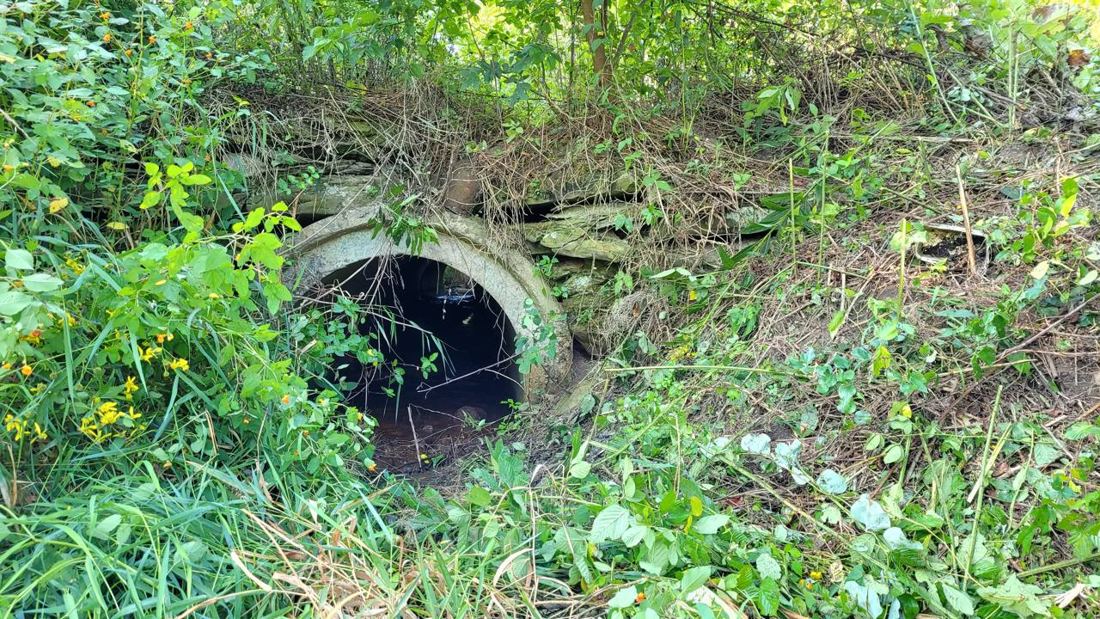
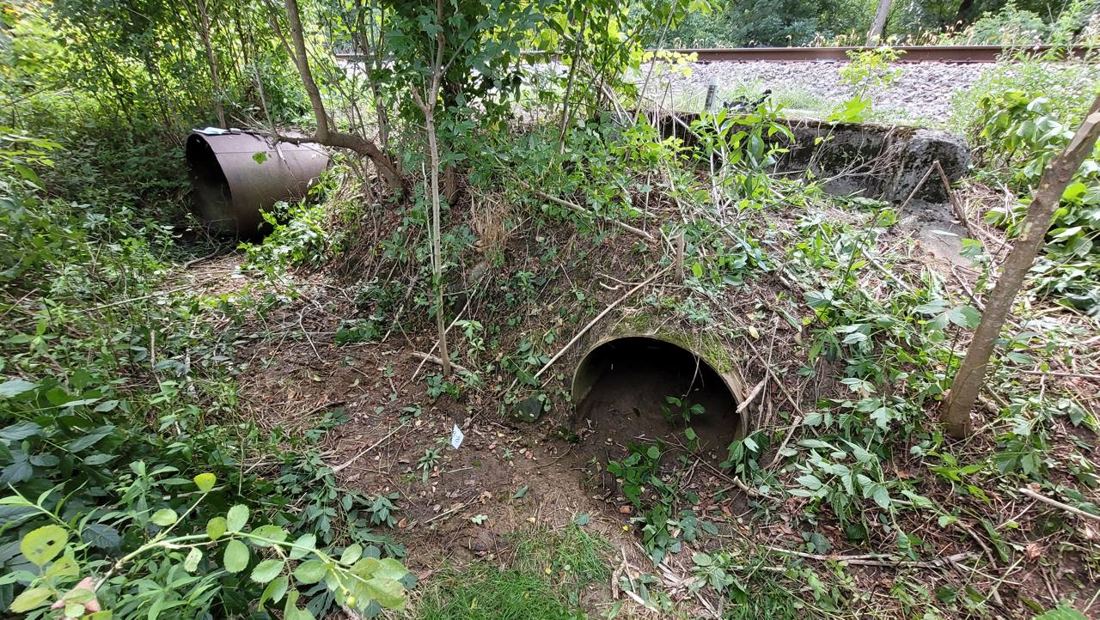
Most of the ground hazards on a railroad are drainage problems first. Walk every culvert inlet and outlet and every ditch that carries water toward or away from the fill.
| Feature | Look for |
|---|---|
| Culvert inlets | Silt, debris, vegetation or beaver activity reducing the opening; ponding or water marks upstream; headwall condition |
| Culvert outlets | Scour holes, undermined headwalls, separated or crushed pipe, piping through the fill |
| Ditches and swales | Standing water, mud bottoms, cut channels, blocked flow; color and odor of water |
| Toe of fill | Water ponded against the fill; soft, wet ground |